

EV & Modern Vehicle Repairs
Who pays for repairs if the other driver caused the crash?
If another driver caused the crash, they are responsible for the damage, including the reasonable cost of repairing your car. That cost can be claimed through an insurance company, or through the courts if necessary. The insurer handling the claim confirms who pays and on what terms, so do not assume the repair will cost you nothing.
Picture a driver waiting at lights on the Nepean Highway when the car behind fails to stop. The crash was not their fault, but the rear bumper still needs repairing, and somebody has to pay for it.
Who pays when the other driver caused the crash
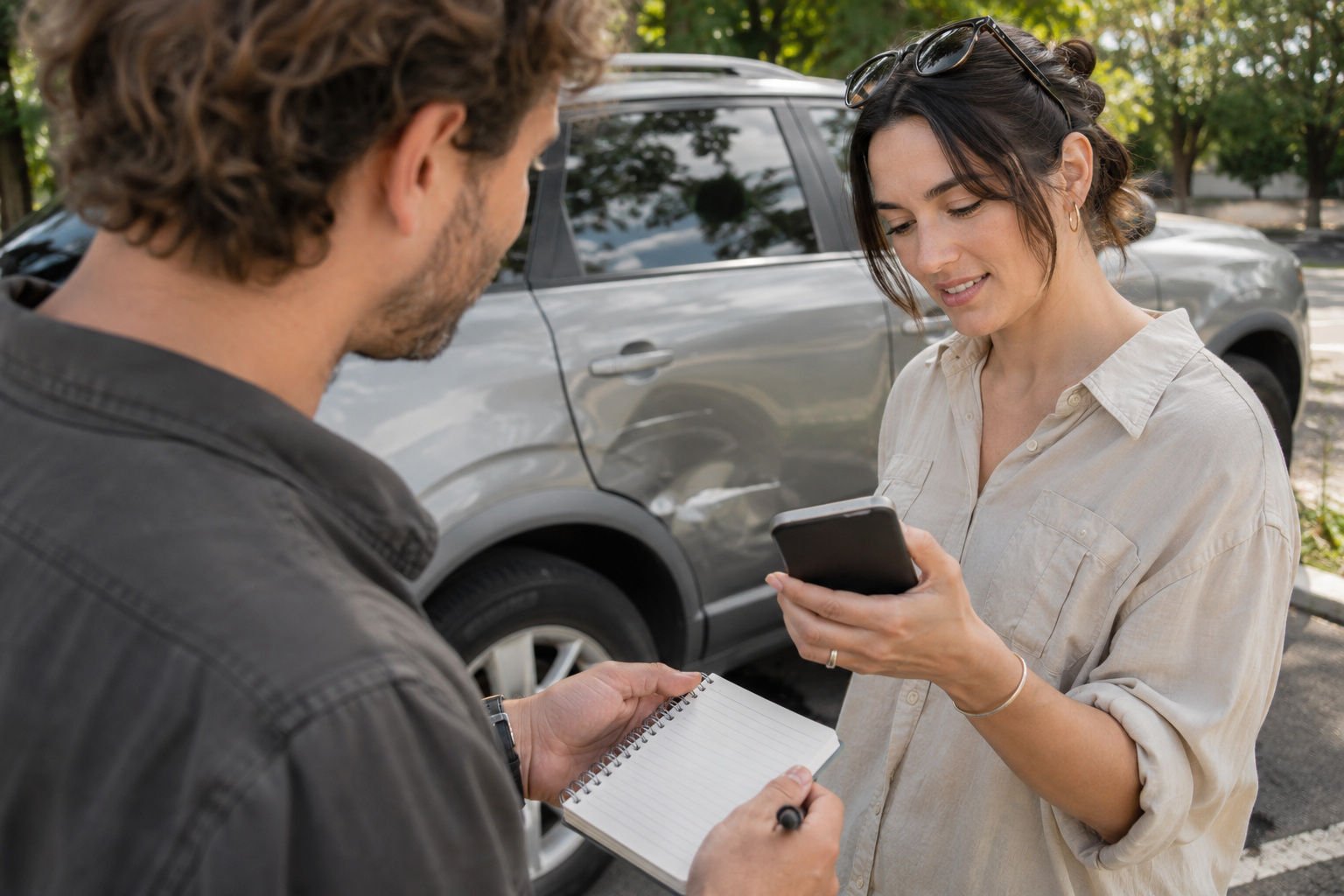
A not-at-fault claim is a claim for damage you believe another driver caused. What you believe happened does not settle it on its own. The other driver or their insurer may not agree, and the insurer handling the claim confirms liability and how payment will work.
There are two practical routes. You can seek the cost from the other driver, which brings in their insurer once they lodge a claim with it. Or, if your policy covers the damage, you can claim on your own policy. Most policies then give your insurer the right to deal directly with the driver at fault.
Which route suits you depends on your policy, how clear the fault is, and whether the other driver gave you their details. After stopping and helping anyone injured, exchange the driver’s and vehicle owner’s names and addresses, and the vehicle’s registration number. Those details are required after a crash causing damage; ask for a phone number and insurer too. Then ask your own insurer about the options before you choose.
Insured, uninsured or claiming on your own policy
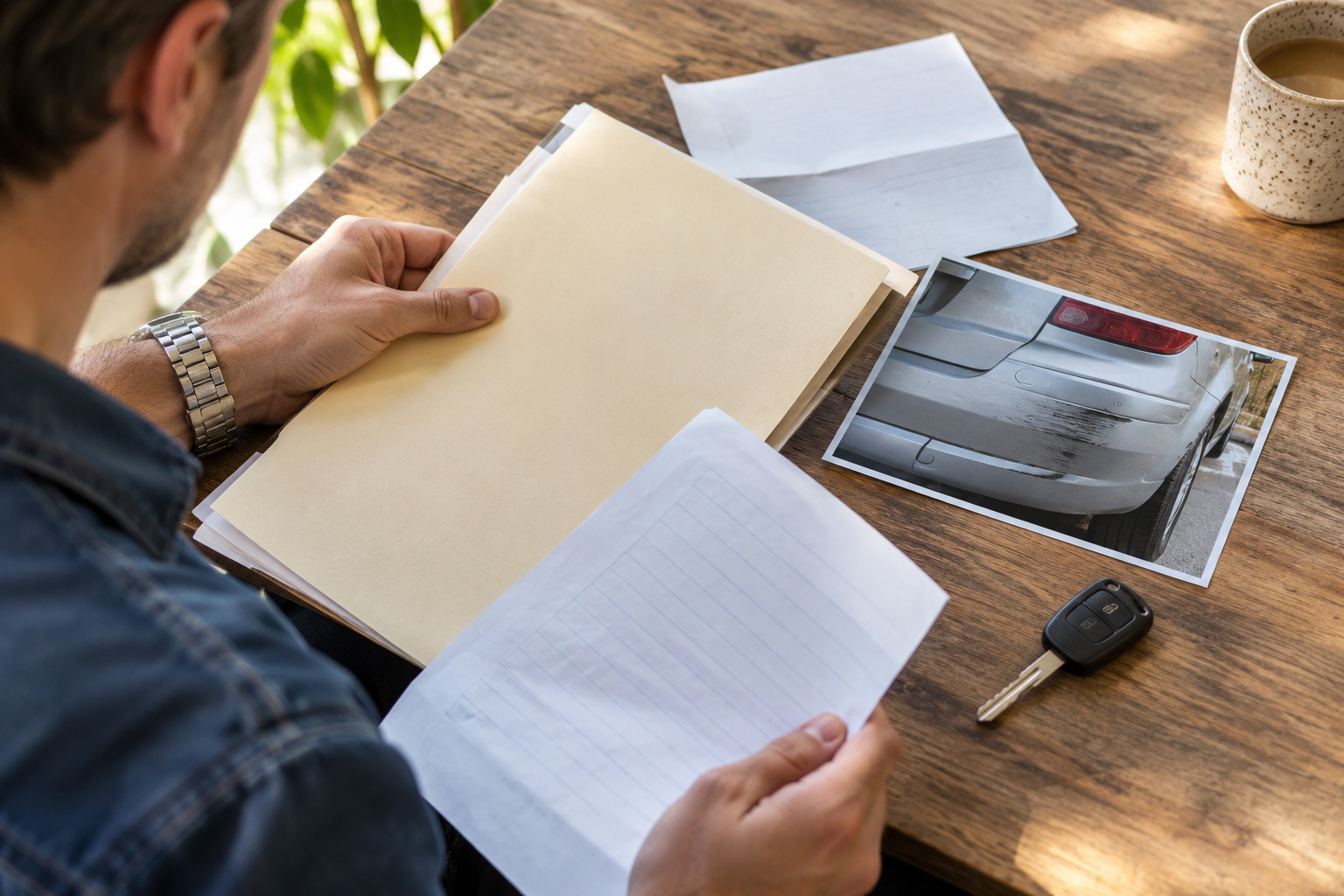
Whether the other driver was insured, and whose policy is used, changes who you deal with and what you check first.
In short, an insured other driver points you to their insurer, while the other two situations point you back to your own policy.
| Situation | Who is asked to pay | What you may need to do | What to confirm |
|---|---|---|---|
| The other driver is insured | The other driver’s insurer, once the other driver lodges a claim and fault is accepted | Give that insurer the accident details and a description of the damage, and keep its claim number | Whether the other driver has lodged a claim, whether fault is accepted, and who approves the repair |
| The other driver is uninsured or cannot be identified | Your own insurer, if your policy covers this situation | Tell your insurer what happened and what details you have about the other driver | What your policy covers when the other driver has no insurance or is unknown |
| Your own insurer is handling the claim | Your insurer, under the terms of your policy | Lodge the claim and follow its approval steps before work starts | Any excess, any replacement car, and how choosing a repairer works on your policy |
The uninsured row leaves the most open. In Victoria, registration includes insurance for injuries, but insurance for damage to property is not compulsory. Sometimes the other driver had none, and your policy does not cover the damage either. Then you can seek payment directly from them, negotiating first or trying mediation before going to court if necessary. That can be expensive, and a driver with no job, assets or money may be hard to recover from even if you win. Get legal advice before you take that on.
Why excess and a replacement car depend on your insurer

An excess is the amount your policy says you pay towards a claim. Whether you pay it when another driver caused the crash depends on your policy and on the insurer handling the claim. Do not assume it disappears because the crash was not your fault.
A replacement car works the same way. It is not automatic. If one is offered, find out who arranges it and who pays for it. Check the hire terms and charges before you accept it.
Before you agree to any repair costs, put these questions to the insurer handling the claim:
- Who is paying for the repair, and has fault been accepted?
- Does an excess apply to this claim, and can it be refunded if the other driver’s insurer accepts fault?
- Is a replacement car part of the arrangement, and who pays for it?
- Who approves the repair, and does the repairer need that approval before starting?
Write down the answers with your claim number and the date. If something changes later, you have a record of what you were told.
What a repairer’s assessment can and cannot decide
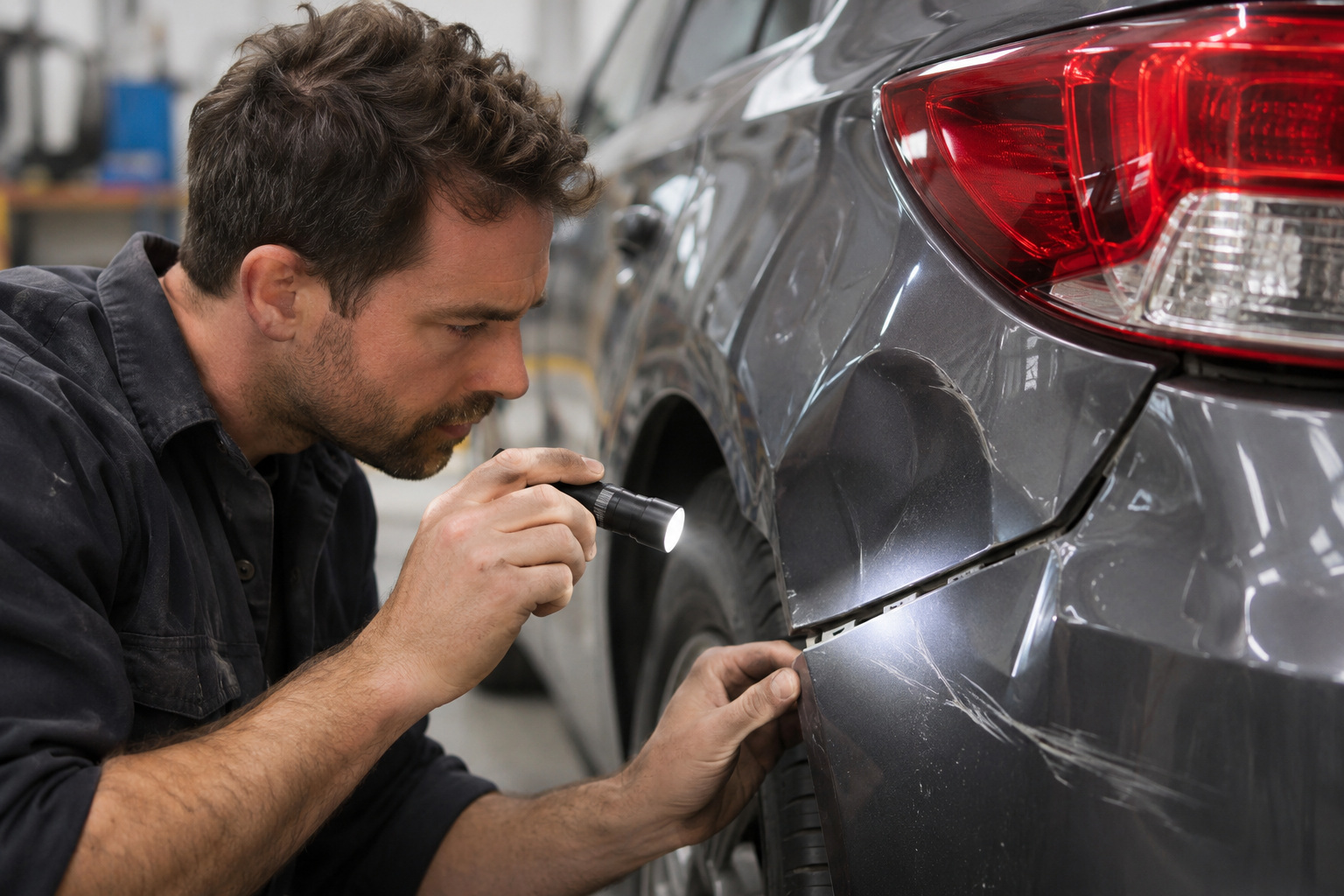
An assessment is the repairer’s inspection of your car to establish the damage and the work needed to fix it. A dent or scrape can hide damage behind the panel, so the visible mark is only part of the picture.
The assessment can tell you which panels and parts are damaged and whether each one looks better suited to repair or replacement. It also gives you a clear description of the damage to pass on when the insurer asks for one.
Whichever not-at-fault repairer looks at the car, the assessment cannot decide who caused the crash or who pays. Nor can it decide what your policy covers or whether an excess applies. Those sit with the insurer handling the claim.
Make sure the repairer knows who has approved the work before anything starts. If no insurer ends up paying, the arrangement becomes a private job, and paying for a repair yourself works differently from a claim.
Getting a not-at-fault repair assessed in Mornington
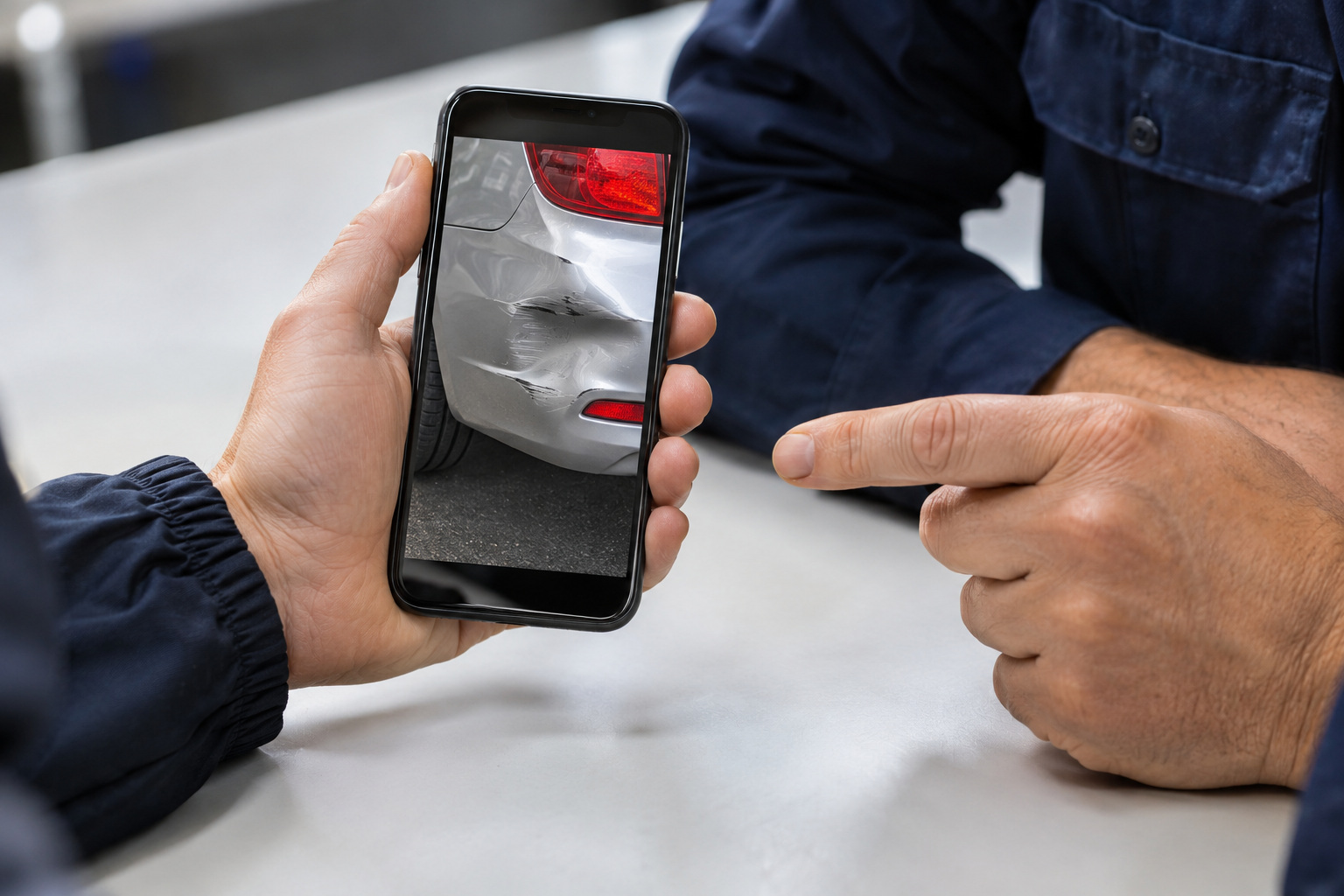
If another driver damaged your car on the Peninsula, start with the damage and the claim details you already have.
Auto Bodyworks at 60 Yuilles Road, Mornington, handles not-at-fault accident claims enquiries. The workshop can discuss an assessment of the damage and explain how the repair enquiry works. The insurer handling the claim still decides payment, cover and any excess.
Have your claim number, any insurer correspondence and the accident details ready. Then call 03 5975 5599 or send a booking enquiry with photos of the damage.