


EV & Modern Vehicle Repairs
Why can’t photos establish EV battery safety after a crash?
A crash photo records visible damage. It cannot establish whether an electric car’s battery or associated electrical parts are safe. A warning already displayed is useful context, but is not a safety clearance either. That decision needs the appropriate qualified assessment for the exact vehicle. Sending more images or seeing no warning cannot replace it.
The distinction matters when the damaged part looks straightforward: a scraped bumper, a creased door or a dented guard. The visible repair and the vehicle’s electrical condition are separate questions. Understanding one does not settle the other.
Why visible damage cannot establish battery safety
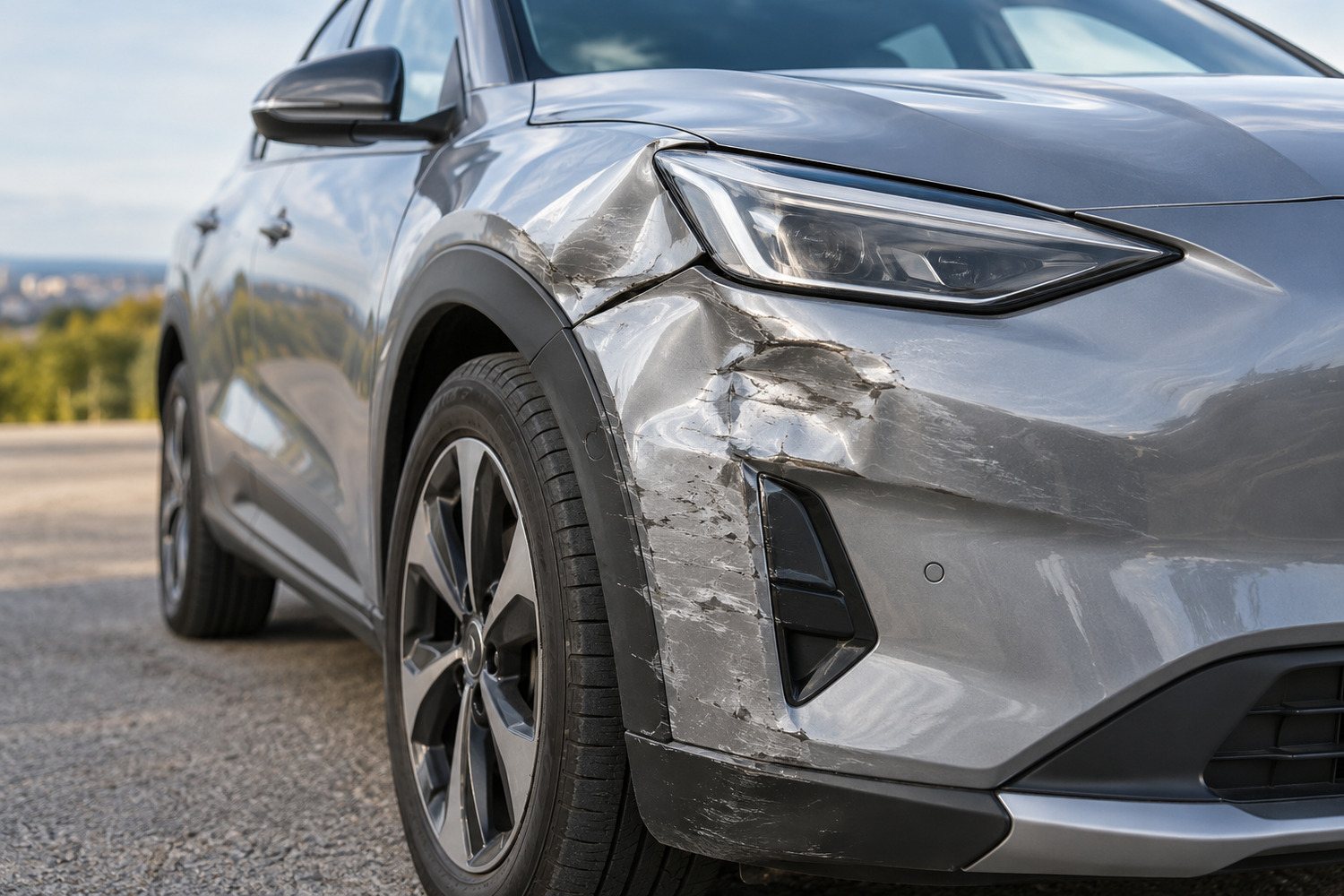
An outside image records the surfaces within its frame. It does not establish the condition of battery cells, electrical connections or components outside that view. Even a clear photograph cannot show that every relevant part has been assessed.
Battery and cable locations vary between vehicle designs. An outer panel’s position does not tell an owner which internal parts were affected. A close-up of a dent also gives incomplete information about the wider impact.
The NSW Rural Fire Service explains that impact damage to battery cells can trigger a failure that releases heat. Its protocol is written for responders. An outside photograph cannot reveal whether that damage has occurred inside a battery cell.
This does not mean a battery is damaged in every crash. A photograph may record visible damage. It cannot rule out damage outside that view or establish that the battery is safe. The severity of a visible mark is not a battery diagnosis.
Why your model and the warning messages still matter
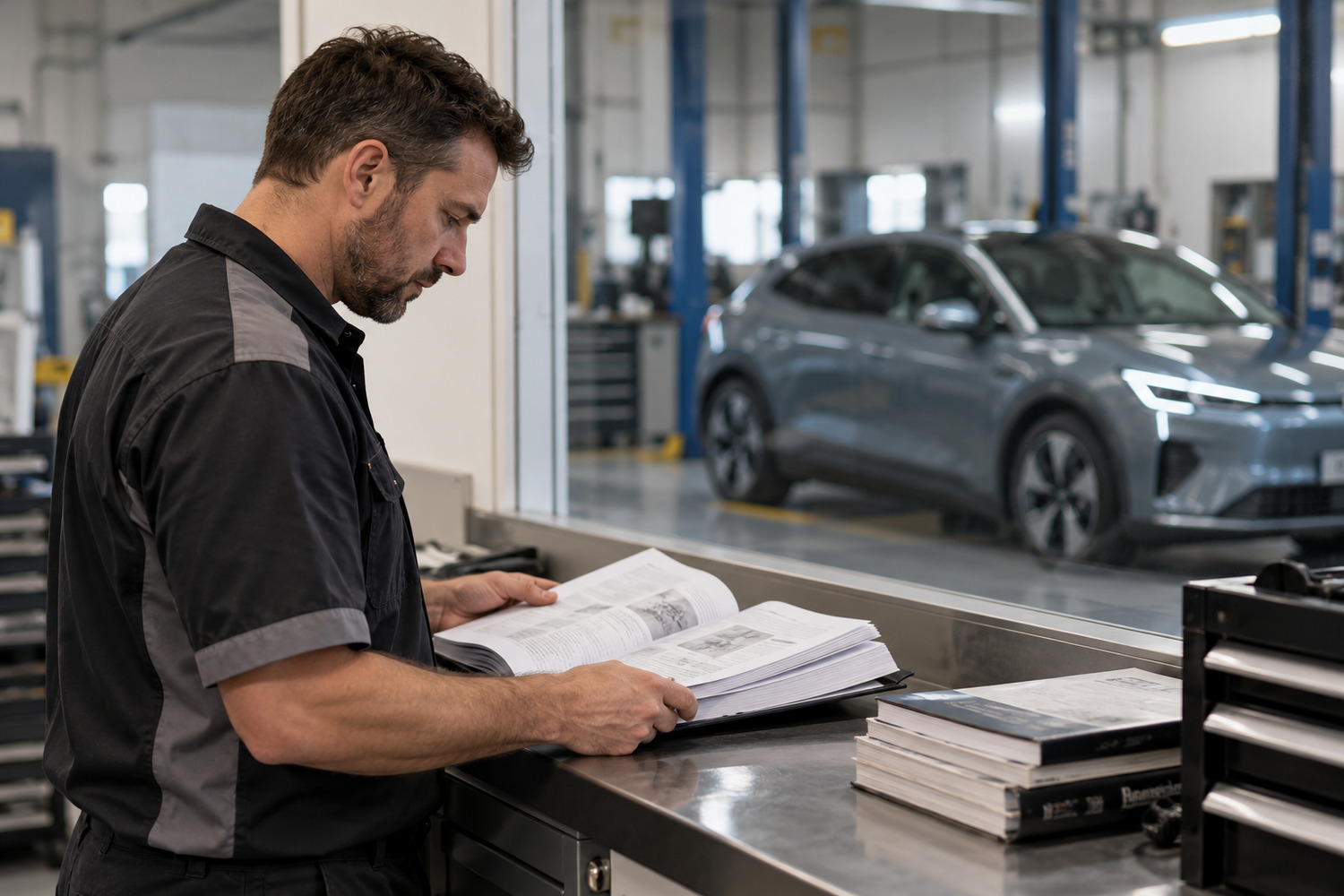
The make, model and year help identify the relevant manufacturer’s guidance. Warning messages already known after the accident can also inform the professional response. They do not turn an enquiry into an electrical inspection.
One manufacturer’s example shows the boundary. Tesla’s Australian owner’s manual for the 2024-and-later Model 3 says owners cannot service high-voltage parts. Its safety section also warns against contact with high-voltage wiring, connectors and associated components after a collision.
The same manual’s collision warning treats high-voltage components as energised until emergency-response professionals have evaluated the vehicle. Energised means they may still carry dangerous electricity. This is an example for that Model 3 generation and market, not a repair instruction for every Tesla, electric car or hybrid.
The manual describes a particular vehicle model. It cannot show the condition of your car after an accident. That needs vehicle-specific advice and assessment. A dashboard without a warning cannot provide that finding.
Use only information you already have when seeking advice. Do not return to the car, recreate a fault or gather another photograph or message for that enquiry.
Why an owner test cannot settle the question
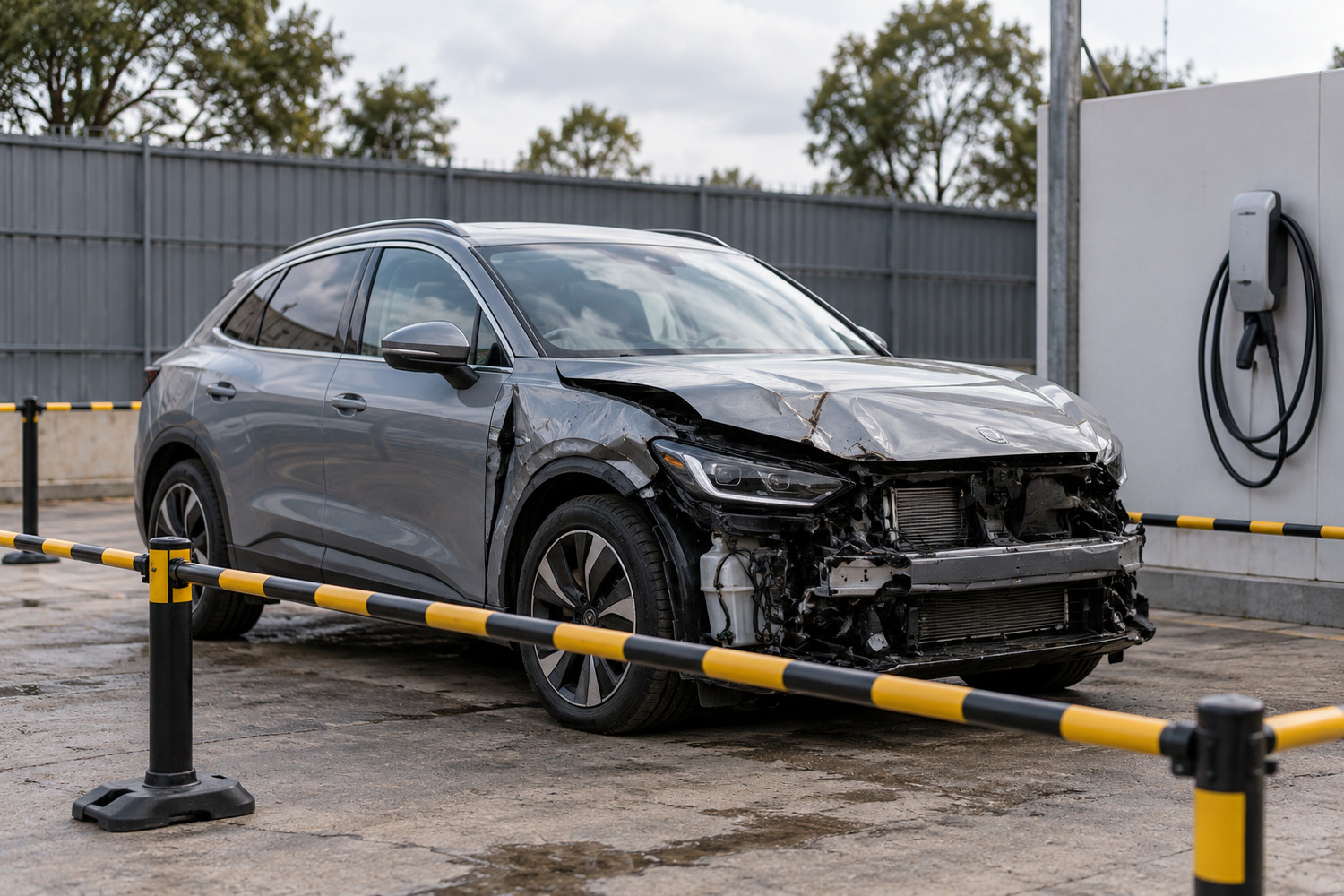
A quiet vehicle or an image without smoke does not establish the condition inside its battery. An observation from outside cannot substitute for the assessment needed to decide whether the vehicle can be used.
Fire and Rescue NSW warns that damaged EV batteries can ignite well after the initial incident. Its public advice is not to use or charge a damaged vehicle until a qualified technician has inspected and cleared it. The agency directs people to the sales point, service point or vehicle manufacturer for advice.
That is attributed Australian fire-safety guidance, not a diagnosis of your car or a Victorian registration rule. It supplies no safe waiting period. Time passing without an obvious change is not an inspection result.
Do not attempt an owner test to obtain reassurance from the car. A photograph or an absent warning is not clearance to drive, charge, move or touch a crash-damaged vehicle. For an immediate emergency, call Triple Zero (000) and follow responder instructions. Model-specific incident and recovery advice belongs with the manufacturer and qualified professionals.
Why body repair and battery work are different jobs
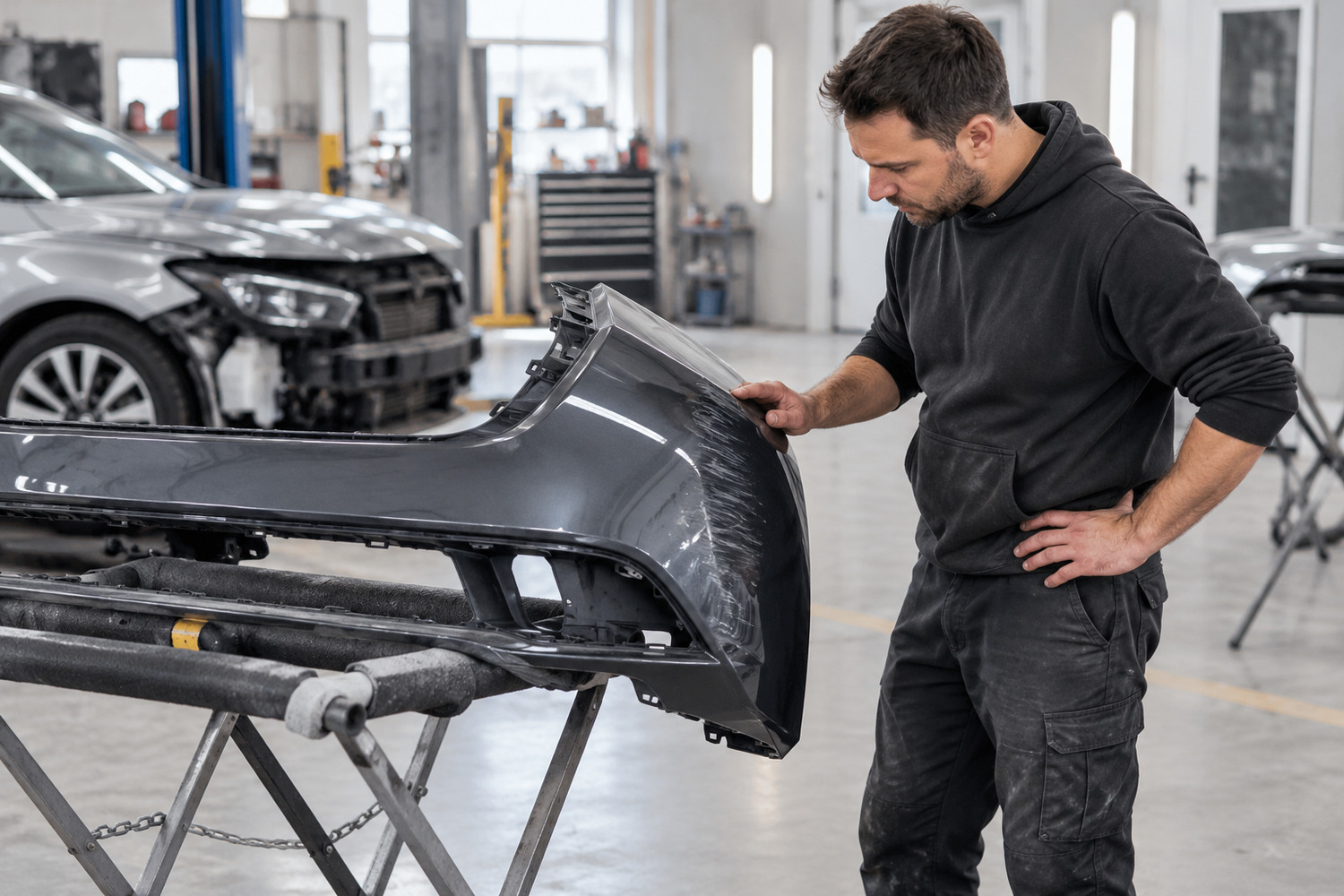
A body and paint assessment and an electrical safety assessment serve different purposes. The scope of one must not be assumed to include the other.
The repair requirements depend on the exact model and damage. A workshop advertising electric-car body repairs does not, by that fact alone, establish that it repairs batteries.
- Body and paint work concerns the damaged panels, fittings, finish and associated body-repair requirements. An estimate describes proposed work; it is not an electrical safety certificate.
- Battery, charging or drive-system work needs a repairer qualified for the relevant task and vehicle. An outside photograph or a panel-repair quote does not establish that this assessment has happened.
Once the appropriate immediate safety and recovery guidance has been followed, a body repair enquiry can address the panel and paint damage. Auto Bodyworks, at 60 Yuilles Road, Mornington, can discuss whether that proposed work suits its workshop. Its body-and-paint enquiry route does not provide battery safety clearance.